Botanical Leaves and Branches Lines Art
At its core, botanical leaves and branches lines art is a minimalist yet expressive form of visual communication. It strips away the complexity of color, shading, and texture to focus entirely on structure, flow, and organic form. By using clean, continuous strokes to depict stems, petals, and foliage, this style captures the essence of nature without the distraction of realism. Whether you are looking at a simple sketch of a single leaf or an intricate composition of wildflowers, the appeal lies in the elegance of simplicity. This artistic approach transforms natural elements into versatile design assets that can adapt to almost any creative project.
The versatility of line art makes it particularly valuable in today’s digital and print landscapes. Unlike complex illustrations that require high-resolution raster images to maintain clarity, line drawings rely on vector mathematics. This means they can be scaled infinitely without losing quality. A delicate vine drawn for a business card logo can be expanded to cover a billboard without becoming pixelated or blurry. This technical advantage, combined with the aesthetic charm of hand-drawn aesthetics, creates a powerful tool for creators across various industries.
Why Different Audiences Care About Line Art
Not everyone approaches botanical line art for the same reason. The value proposition shifts significantly depending on whether you are designing a wedding invitation, building a brand identity, or simply decorating your home office. Understanding these differing perspectives helps clarify why this specific style remains so popular among diverse groups.
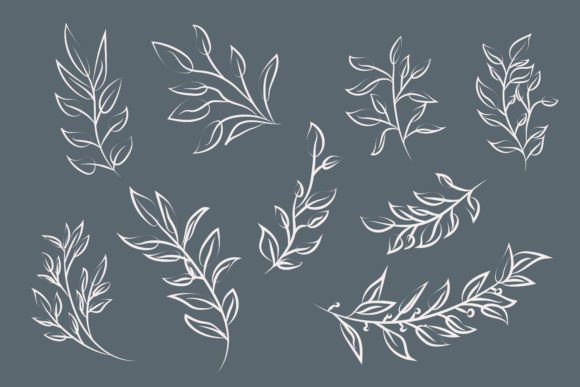
For designers and creatives, the primary concern is flexibility and scalability. A set of hand-drawn leaves floral isolated clipart allows for easy manipulation within design software. You can rotate, resize, recolor, and combine elements to create unique compositions. The ability to work with vector floral compositions with black and white hand-drawn herbs and wildflowers ensures that every curve and contour remains sharp, regardless of the output size. This is crucial for professionals who need to deliver files in multiple formats for different clients.
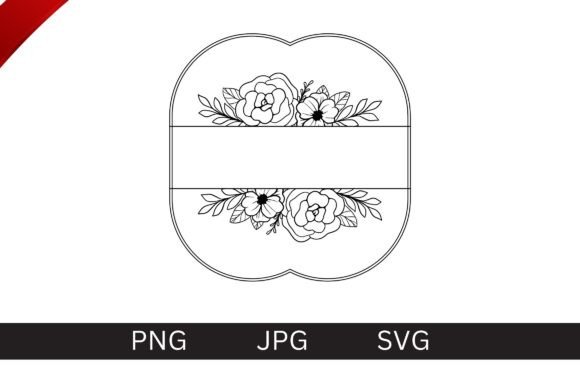
For small business owners and entrepreneurs, the focus often shifts toward branding and emotional connection. Botanical themes evoke feelings of growth, freshness, and tranquility. Using floral line art in packaging, marketing materials, or social media graphics can help establish a sophisticated, organic brand identity. For example, a skincare company might use rose flower line art with leaves element to suggest natural ingredients, while a bakery might use decorative frames with floral ornaments to make their menu look more inviting. The key here is not just aesthetics, but the message the imagery conveys to the consumer.
For hobbyists and crafters, the appeal lies in accessibility and personalization. Many people enjoy creating handmade items like greeting cards, scrapbooks, or home decor. Access to high-quality sketched by hand, branches designs allows them to produce professional-looking results without needing advanced drawing skills. They can print these designs on cardstock, transfer them to wood, or use them as guides for embroidery. The tactile nature of working with these designs adds a layer of satisfaction that purely digital creation sometimes lacks.
Evaluating Quality and Format Options
When selecting botanical line art, the file format is just as important as the artistic style. The right format determines how you can use the asset and what level of control you have over the final product. High-quality resources typically offer a comprehensive suite of formats to accommodate different workflows.
- Adobe Illustrator (AI) and Encapsulated PostScript (EPS): These are industry-standard vector formats. They are essential for professional designers who need to edit paths, adjust anchor points, and modify colors directly. If you plan to customize the artwork extensively, these formats provide the necessary editing capabilities.
- Scalable Vector Graphics (SVG): Ideal for web design and digital interfaces. SVG files are lightweight and scale perfectly on all screen sizes, making them perfect for websites, apps, and responsive layouts. They also support transparency, which allows the line art to blend seamlessly over any background.
- Portable Document Format (PDF): While primarily used for sharing documents, PDFs can also contain vector data. This format is useful for archiving designs or sending files to clients who may not have specialized design software but still need high-quality print-ready files.
- Design for Excellence (DFX): Often associated with CNC machining and laser cutting, DFX files ensure precise physical reproduction. If you are planning to cut out shapes from wood, acrylic, or metal, this format provides the exact coordinates needed for automated machinery.
- Joint Photographic Experts Group (JPEG): As a raster format, JPEGs are widely compatible and easy to share. However, they are resolution-dependent. While convenient for quick previews or low-stakes printing, they lack the infinite scalability of vector formats. High-resolution JPEGs (such as those at 300 DPI) are suitable for standard print jobs but should not be relied upon for large-scale scaling.
A premium resource often includes a resolution specification such as 2700px X 1800px at 300 DPI for raster versions. This ensures that even if you choose to use a JPEG, the image will be crisp enough for professional printing standards. However, relying solely on raster formats limits your creative options compared to having access to editable vector files.
Practical Applications Across Industries
The application of old-fashioned summer plants and botanical accent designs extends far beyond simple decoration. Let’s look at how specific groups might utilize these assets in real-world scenarios.
Educators and educators can use botanical leaf doodle wildflower line art to create engaging learning materials. Science teachers might use detailed leaf illustrations to teach plant anatomy, while art teachers can use simple line drawings as templates for student coloring activities or tracing exercises. The clean lines make it easy for students to focus on specific details without being overwhelmed by complex backgrounds.
Bloggers and content creators benefit from the visual break that line art provides. In text-heavy articles, inserting hand-drawn green leaves background designs or small floral icons can improve readability and user engagement. These elements act as visual anchors, guiding the reader’s eye through the content. Because they are often monochromatic, they do not clash with other brand colors or distract from the main message.
Publishers and book designers frequently turn to floral seamless pattern romantic elegant endless backgrounds for chapter headers, page borders, or endpapers. The repetitive nature of seamless patterns allows for continuous design across spreads, creating a cohesive look throughout a publication. The timeless quality of line art ensures that the design does not feel dated, adding long-term value to printed works.
Making the Right Choice for Your Project
Choosing the right botanical line art requires aligning the asset with your specific goals. Ask yourself what you need the design to achieve. Do you need to edit the curves? Then prioritize AI or EPS files. Do you need it for a website? SVG is likely your best bet. Do you need to send it to a printer quickly? A high-DPI JPEG might suffice, but always check the printer’s requirements.
Consider the tone you wish to convey. Wedding invitations often call for romantic elegant endless backgrounds that suggest luxury and romance. In contrast, a set of plants, flowers, and leaves in a botanical style with a more rustic, sketch-like appearance might better suit a farm-to-table restaurant or an eco-friendly brand. The nuance in the line weight and detail level changes the entire mood of the design.
Finally, think about longevity. Trends in graphic design come and go, but botanical line art has remained a staple because of its universal appeal. It transcends seasonal trends and cultural shifts, making it a safe investment for long-term branding projects. By understanding the technical specifications and artistic nuances, you can select resources that not only look beautiful but also function effectively within your workflow.