The Ultimate Guide to Using Kawai Decorative Plant Sad Expression Assets for Creative Projects
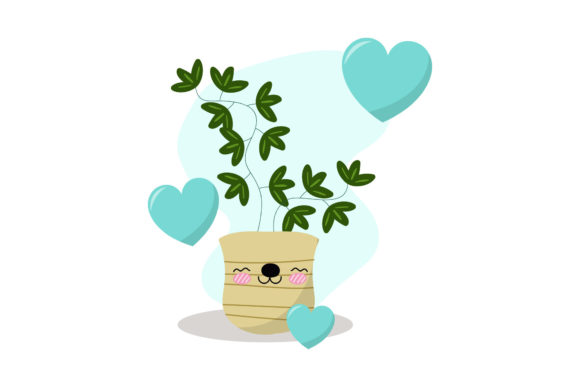
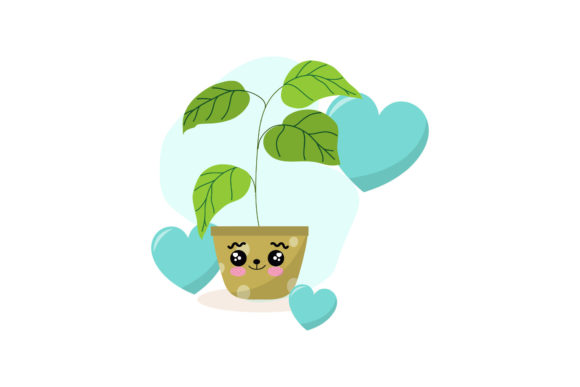
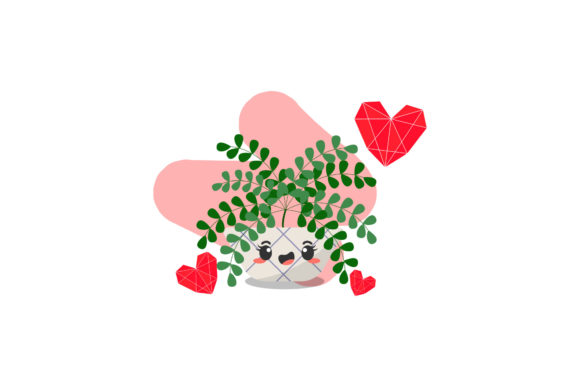
In the vibrant world of digital design and print-on-demand creativity, finding unique, high-quality assets can sometimes feel like searching for a needle in a haystack. However, for creators looking to add a touch of whimsy, emotion, and aesthetic charm to their work, the Kawai Decorative Plant Sad Expression has emerged as a delightful and versatile choice. This specific illustration captures a perfect blend of cuteness and melancholy—a style often referred to as "kawaii" with a twist of emotional depth—that resonates deeply with modern audiences.
Whether you are a graphic designer, a small business owner creating merchandise, or a blogger looking to enhance your visual content, understanding how to leverage this asset is crucial. Available in multiple formats including AI, EPS, JPG, SVG, and PNG, all at a stunning 300 DPI resolution, this file offers endless possibilities. In this article, we will explore what makes this design so special, why it is a valuable addition to your creative toolkit, and how you can apply it across various mediums to boost engagement and sales.
Understanding the Aesthetic: What is Kawai?
To fully appreciate the value of the kawai decorative plant sad expressio, it helps to understand the cultural and artistic context behind the term "kawaii." Originating from Japan, kawaii culture emphasizes cuteness, innocence, and charm. It is not just about simple cartoons; it is about evoking a sense of warmth, empathy, and joy. When combined with nature—specifically plants—the kawaii aesthetic taps into our innate love for greenery and life.
The "sad expression" element adds a layer of relatability. In today’s fast-paced digital world, users are drawn to content that reflects genuine human (or plant!) emotions. A sad but cute plant character allows viewers to project their own feelings onto the image, creating an emotional connection. This is particularly effective in social media marketing, where relatable content drives higher engagement rates. By using a design that is both adorable and slightly melancholic, you create a memorable brand identity that stands out amidst generic stock imagery.
Why File Format and Resolution Matter
One of the most significant advantages of this particular asset is its versatility in file formats. Designers know that having the right file type for the right job is essential for maintaining quality. Here is a breakdown of why each format provided with this asset is important:
- SVG (Scalable Vector Graphics): This is ideal for web design and logos. Because SVGs are vector-based, they can be scaled to any size without losing quality. If you plan to use the sad plant on a website header or a large banner, SVG ensures crisp lines and smooth edges.
- PNG (Portable Network Graphics): Known for supporting transparency, PNG files are perfect for overlays. You can place the sad plant on top of other images or backgrounds without worrying about ugly white boxes surrounding it. This is crucial for phone cases, tote bags, and t-shirt designs where the background color varies.
- JPG (Joint Photographic Experts Group): While JPGs do not support transparency, they are widely compatible and have smaller file sizes, making them excellent for quick uploads to social media platforms or blog posts where loading speed is a concern.
- AI and EPS (Adobe Illustrator & Encapsulated PostScript): These are master vector files used by professional designers. They allow for deep editing, such as changing colors, modifying shapes, or combining elements. If you need to customize the plant's pot or adjust its expression, these files give you the control you need.
Furthermore, the inclusion of 300 DPI (Dots Per Inch) resolution is non-negotiable for print-on-demand products. Low-resolution images appear pixelated and blurry when printed, which can ruin the professional look of your merchandise. High-resolution assets ensure that every leaf and facial expression is sharp and clear, whether it is being viewed on a smartphone screen or printed on a large pillow.
Practical Applications in Modern Business and Creativity
The beauty of the kawai decorative plant sad expressio lies in its adaptability. It is not limited to one niche; rather, it fits seamlessly into various industries and creative projects. Let’s explore some practical ways you can utilize this asset.
1. Print-on-Demand Merchandise
The print-on-demand industry is booming, with consumers seeking personalized and expressive items. The sad plant character is perfect for:
- T-Shirts and Hoodies: Pair the image with humorous quotes about Monday blues, coffee addiction, or introversion. The contrast between the cute art and the relatable text creates a trendy streetwear vibe.
- Tote Bags: Eco-conscious consumers love tote bags. Adding a cute plant design reinforces themes of nature and sustainability while adding a pop of personality to everyday carry items.
- Phone Cases: Personal accessories are a huge market. A high-resolution PNG or AI file allows you to create custom designs that protect devices while showcasing the owner's unique taste.
- Pillows and Home Decor: For those who enjoy cozy aesthetics, placing the sad plant on throw pillows or wall art adds a touch of comfort and whimsy to living spaces.
2. Digital Content and Social Media
In the age of Instagram and TikTok, visual storytelling is key. The sad plant can serve as a mascot or a recurring theme in your content strategy. Use it in:
- Instagram Stories and Posts: Create templates where the plant reacts to different moods or news updates. This builds a consistent brand voice.
- Blog Headers and Sidebars: Break up text-heavy articles with engaging visuals. The sad plant can act as a section divider or a featured image, keeping readers engaged.
- Email Newsletters: Add a personal touch to your communications by including the character in your signature or header. It humanizes your brand and makes emails feel less transactional.
3. Educational and Emotional Wellness Tools
Interestingly, this asset can also be used in educational and therapeutic contexts. Children’s books, coloring pages, and mindfulness apps often use animal or plant characters to teach emotional intelligence. The "sad" expression provides a safe way to discuss feelings like disappointment, loneliness, or fatigue, helping users process emotions through art.
Maximizing Value Through Customization
While the base asset is beautiful, its true potential is unlocked through customization. Since you have access to AI and EPS files, you are not stuck with the original design. Consider these enhancement strategies:
- Color Variations: Experiment with different color palettes to match seasonal trends. For example, use pastel greens for spring, warm oranges for autumn, or monochrome shades for a minimalist look.
- Contextual Backgrounds: Place the plant in different environments. Is it sitting on a desk next to a laptop? Is it raining outside? Adding context tells a story and increases the asset's relevance.
- Combining Elements: Mix the sad plant with other kawaii elements like stars, clouds, or coffee cups. This creates composite illustrations that are even more unique and proprietary to your brand.
Common Misconceptions About Using Stock Assets
Some beginners believe that using pre-made assets limits their creativity or makes their work look generic. This is a misconception. Professional designers frequently use stock assets as a foundation, building upon them to create something entirely new. The key is to add your own spin—through typography, layout, and additional graphics. Moreover, using high-quality assets like the 300 DPI kawai plant ensures that your final product looks polished and professional, saving you time and effort compared to designing from scratch.
Conclusion
The Kawai Decorative Plant Sad Expression is more than just a cute picture; it is a powerful tool for communication, branding, and emotional connection. With its availability in AI, EPS, JPG, SVG, and PNG formats at 300 DPI, it offers the flexibility needed for both digital and print applications. From phone cases and tote bags to blogs and social media campaigns, this asset can elevate your projects with its unique blend of charm and relatability.
As you embark on your creative journey, remember that the best designs are those that resonate with people. By incorporating this versatile and high-quality asset into your workflow, you are investing in visuals that capture attention, evoke emotion, and stand the test of time. Thank you for exploring the possibilities of kawaii design, and have a nice day ♡.