Flower Logo Vector Design: A Comprehensive Evaluation
In the competitive landscape of visual identity, selecting the right logo is a critical decision that defines how a brand is perceived. Among the myriad options available, the flower logo vector design remains a perennial favorite for businesses ranging from boutique florists to high-end spas and organic skincare lines. This design approach combines natural aesthetics with technical precision, offering a versatile foundation for branding. However, understanding its nuances requires looking beyond mere appearance to consider scalability, versatility, and market alignment.
This article evaluates the flower logo vector design as a strategic branding tool. It explores what constitutes this style, who benefits most from it, and the practical considerations involved in integrating floral elements into a corporate or commercial identity. By examining both the strengths and limitations of this design category, readers can make informed decisions about whether a floral motif aligns with their specific business goals.
Understanding Flower Logo Vector Design
A flower logo vector design utilizes mathematical equations to create graphics that remain crisp at any size. Unlike raster images, which pixelate when enlarged, vector files ensure that every petal, leaf, and stem retains its clarity whether printed on a business card or displayed on a billboard. The aesthetic itself often draws from a rich vocabulary of visual elements including vintage, modern, minimal, and ornate styles.
The core components of these designs typically include:
- Botanical Elements: Roses, lilies, eucalyptus leaves, and abstract plant forms serve as the primary symbols.
- Structural Frameworks: These may be enclosed within a frame, circle, or badge, creating a sense of completeness and tradition.
- Stylistic Variations: Designs range from linear and simple line art to complex, gold-accented luxury illustrations.
When evaluating a flower logo, it is essential to distinguish between literal representations and abstract interpretations. A literal design might feature a detailed rose, suitable for a traditional wedding planner. In contrast, an abstract design might use geometric shapes to suggest growth and nature, appealing to a modern tech startup focused on sustainability.
Why Brands Choose Floral Motifs
The appeal of incorporating flowers into a logo stems from deep-seated psychological associations. Flowers universally symbolize growth, beauty, renewal, and organic processes. For brands seeking to communicate these values, a floral logo offers immediate visual shorthand.
Key Drivers for Adoption
- Natural and Organic Appeal: In an era where consumers increasingly value sustainability, floral logos signal nature, organic ingredients, and eco-friendliness. This is particularly effective for wellness brands, herbal products, and agricultural enterprises.
- Feminine and Elegant Aesthetic: Floral designs are often associated with grace and refinement. They are a strong fit for feminine brands, including cosmetics, fashion boutiques, and lifestyle services.
- Versatility Across Industries: While obvious for florists, floral motifs extend to wedding invitations, luxury packaging, and even spa treatments. The emblem style allows for integration into seals and badges, adding a touch of authority and classicism.
- Decorative Potential: Beyond the logo itself, floral vector assets can be used for background patterns, border decorations, and label ornaments, ensuring a cohesive brand experience across all touchpoints.
Evaluating Fit: When a Floral Logo Is a Strong Choice
Determining whether a flower logo vector design is appropriate requires an honest assessment of your brand’s personality and target audience. This design style is particularly well-suited for:
- Boutique Retailers: Small, curated shops selling handmade goods, jewelry, or textiles benefit from the artisanal feel of hand-drawn or intricate floral vectors.
- Wellness and Beauty: Companies offering yoga, meditation, skincare, or hair care services often use floral imagery to evoke calmness, purity, and self-care.
- Wedding and Event Services: From photographers to planners, the wedding industry relies heavily on romantic, elegant floral symbols to convey celebration and love.
- Luxury and Heritage Brands: Ornate, gold-accented floral emblems can convey a sense of history, royalty, and premium quality, especially when paired with serif typography.
If your brand narrative centers on growth, natural origins, or refined elegance, a floral logo provides a strong visual anchor. It helps establish an emotional connection with customers who prioritize aesthetics and sensory experiences.
Tradeoffs and Considerations
While attractive, floral logos are not a universal solution. There are significant tradeoffs and potential pitfalls that designers and business owners must weigh before committing to this style.
Potential Drawbacks
- Cliché Risk: Because floral designs are popular, there is a risk of appearing generic. Without a unique twist or distinctive color palette, a flower logo may blend in rather than stand out.
- Industry Limitations: Certain sectors, such as heavy industry, technology infrastructure, or financial security, may find floral motifs incongruous. A bank or a software company might struggle to convey trust and stability through delicate petals.
- Scalability Challenges with Detail: Highly ornate or complex floral illustrations can lose detail when scaled down for favicons or mobile app icons. Simpler, minimal line-art versions are often more practical for digital applications.
- Trend Sensitivity: Specific floral styles (e.g., watercolor effects or maximalist patterns) can date quickly. A timeless monogram combined with a simple botanical element often ages better than a trendy illustration.
Decision-Making Insights: Alternatives and Hybrid Approaches
If a pure floral logo feels too niche or limiting, consider hybrid approaches that incorporate floral elements more subtly. This allows you to retain the symbolic benefits of nature while maintaining broader appeal.
Strategic Alternatives
- Monogram Integration: Combine initial letters with a single, stylized leaf or branch. This creates a classic emblem that is both personal and professional, suitable for law firms or consulting agencies.
- Abstract Botanicals: Use geometric shapes inspired by plants rather than realistic depictions. This appeals to modern audiences and works well in tech or creative industries.
- Color Over Shape: If the floral shape feels too traditional, experiment with unconventional color palettes. Using bold, non-natural colors can recontextualize a flower motif as contemporary and edgy.
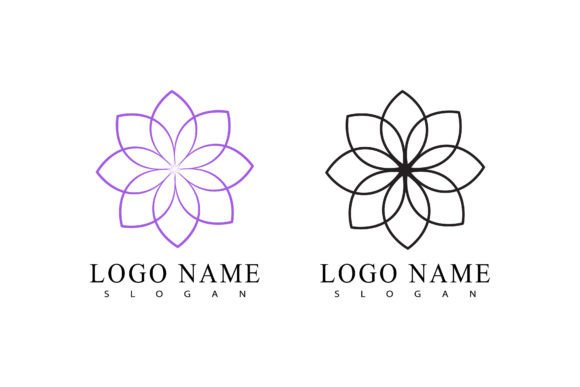
- Minimalist Line Art: Opt for thin, continuous lines to form a flower. This reduces visual clutter and enhances readability, making it ideal for digital-first brands.
Practical Steps for Selection
To ensure your chosen design serves your long-term goals, follow these evaluation steps:
- Define Your Core Values: Does "growth" and "beauty" accurately reflect your mission? If your brand is about efficiency and speed, a rigid geometric logo may be more appropriate.
- Analyze Competitors: Research other brands in your sector. If everyone uses roses, consider a less common flower like lavender or cherry blossom to differentiate your identity.
- Test Scalability: View your vector design at various sizes. Ensure that details do not disappear and that the logo remains recognizable on small screens.
- Consider Versatility: Can the design work in black and white? A good logo should function without color, relying on shape and structure alone.
Conclusion
The flower logo vector design offers a powerful toolkit for brands seeking to communicate elegance, nature, and femininity. Its adaptability allows for expressions ranging from retro charm to modern minimalism. However, success depends on thoughtful execution and alignment with brand identity. By carefully weighing the benefits against the limitations and considering alternative integrations, businesses can leverage floral symbolism to create a lasting, memorable impression. Whether used as a central emblem or a subtle decorative element, a well-crafted floral design can enhance brand recognition and foster deeper customer engagement.