Flower Vector Icon Design: Elevating Visual Communication with Nature’s Beauty
In the crowded digital landscape, visual clarity is not just an aesthetic choice; it is a functional necessity. When we talk about Flower Vector Icon Design, we are referring to the precise, scalable art of creating botanical symbols that communicate complex ideas through simple, elegant lines. Unlike raster images that pixelate when enlarged, vector graphics rely on mathematical equations to define shapes, ensuring that every petal, leaf, and stem remains crisp whether displayed on a smartwatch screen or a massive billboard. This technology allows designers to harness the organic beauty of nature—the rose, the daisy, the tulip—and distill them into universal signs that transcend language barriers.
The appeal of floral motifs in modern design goes beyond mere decoration. Flowers have long been associated with growth, renewal, and vitality. In a corporate context, using a stylized bloom can subtly suggest expansion and success. In wellness branding, it evokes calm and natural balance. By leveraging the versatility of vector formats, designers can create icon sets that are not only visually stunning but also highly adaptable to various media requirements.
Why Vectors Are the Backbone of Modern Floral Imagery
Understanding the technical advantage of vectors helps explain why they are the preferred medium for web and graphic design. A flower vector icon is built from paths and nodes rather than pixels. This means you can resize a simple line-art sunflower from 16x16 pixels to 1000x1000 pixels without losing any quality. For businesses that operate across multiple platforms—from mobile apps to print brochures—this scalability is invaluable.
Furthermore, vector files are typically smaller in size compared to high-resolution raster images, which contributes to faster website loading times. Speed is a critical factor in user experience (UX). A lightweight, isolated flora icon loads instantly, keeping the interface smooth and responsive. Additionally, because these icons are constructed from code-like structures, they are easily editable. If a brand changes its color palette from earthy greens to vibrant pinks, a designer can update the fill color of hundreds of vector icons in seconds, maintaining consistency across the entire collection.
Real-World Applications Across Industries
The utility of Flower Vector Icon Design extends far beyond gardening blogs or florist shops. Its application is ubiquitous in industries where nature, health, and aesthetics intersect.
Healthcare and Wellness
In the healthcare sector, symbols of plants and flowers often represent herbal medicine, holistic health, and mental well-being. A minimal leaf icon might indicate a "natural ingredients" section on a supplement bottle, while a detailed silhouette of a lavender plant could be used in a meditation app to guide users toward relaxation. The clean lines of vector art help convey trust and professionalism, avoiding the cluttered look that can sometimes accompany photographic imagery.
E-commerce and Retail
For online retailers, especially those selling fashion, home decor, or cosmetics, decorative elements play a crucial role in setting the mood. A set of abstract floral patterns can serve as subtle backgrounds for product pages, adding texture without distracting from the merchandise. Flat design styles, which are prevalent in e-commerce, benefit greatly from vector icons. A beautiful outline of a rose can act as a "favorite" button, inviting users to save items to their wishlists. The interactivity of these elements is enhanced by their crisp, scalable nature.
Event Planning and Hospitality
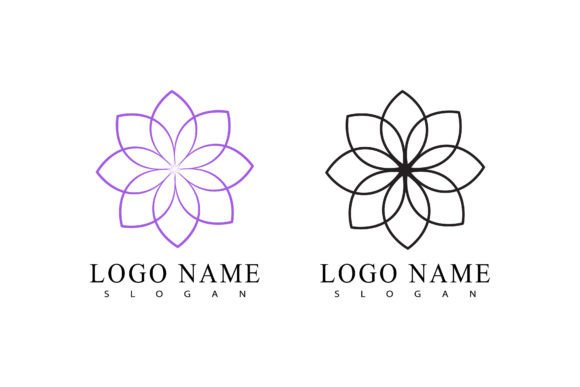
Wedding invitations, event websites, and hotel branding frequently rely on ornamental floral designs. Here, the style of the icon matters immensely. A line-art blossom can evoke elegance and sophistication, perfect for a luxury wedding venue. Conversely, a colorful, filled vector graphic might suit a summer festival or a children’s party. Vectors allow event planners to customize these elements to match specific themes, changing colors and sizes to fit different aspects of their marketing materials seamlessly.
Design Considerations for Effective Implementation
While the benefits are clear, choosing and applying Flower Vector Icon Design requires thoughtful consideration. It is not enough to simply pick a pretty flower; the design must serve its purpose within the larger composition.
- Simplicity vs. Detail: One of the core principles of good iconography is simplicity. At small sizes, intricate details like individual stamens or veins may disappear or become muddy. Designers must decide how much detail is necessary to convey the identity of the plant. A shape that is recognizable as a daisy at 24px does not need every petal individually defined if the overall silhouette communicates the idea effectively.
- Consistency in Style: Mixing different artistic styles can create visual dissonance. If your interface uses flat design icons, introducing a realistic, shaded vector flower might feel out of place. It is essential to maintain a consistent style across all graphical elements. Whether you choose black and white outlines or vibrant, filled colors, the aesthetic should align with the brand’s voice.
- Color Psychology: Colors carry emotional weight. Green leaves suggest freshness and growth, while red roses signify passion or love. Using a white background with black outline icons offers maximum contrast and readability, making it a safe choice for accessibility. However, incorporating subtle gradients or soft pastels can add depth and warmth, particularly in spring-themed campaigns.
Trends Shaping the Future of Botanical Icons
Design trends evolve, and Flower Vector Icon Design is no exception. Currently, there is a strong movement towards minimalism and abstraction. Instead of literal representations, designers are creating geometric interpretations of flowers. These abstract forms retain the essence of the plant while fitting neatly into modern, grid-based layouts. This approach is particularly popular in tech startups and fintech apps, where a touch of organic softness can humanize a digital product.
Another emerging trend is the use of pattern-based icons. Rather than a single isolated flower, designers are creating repeating botanical motifs that can be used as textures or borders. These patterns add richness to digital interfaces without overwhelming the user. They work exceptionally well in background layers, providing a sense of depth and continuity.
Choosing the Right Resources
For many users, creating custom vector icons from scratch is not feasible. Fortunately, there is a vast array of resources available, from premium marketplaces to open-source libraries. When selecting a collection of flower icons, it is important to check the file format (preferably SVG or AI) and the licensing terms. Some icons may require attribution, while others offer unlimited commercial use.
It is also wise to evaluate the completeness of the set. A cohesive set will include variations of the same flower, such as full blooms, buds, and leaves, allowing for flexible usage. Look for sets that offer both solid fills and outline styles, as this provides greater versatility in design applications. Additionally, consider the scalability of the provided assets. High-quality vector icons should be infinitely scalable without degradation.
Conclusion
Flower Vector Icon Design is more than just a decorative trend; it is a powerful tool for effective communication. By combining the timeless beauty of nature with the precision of vector technology, designers can create visuals that are engaging, accessible, and versatile. Whether you are building a website, designing a logo, or crafting a marketing campaign, incorporating well-designed floral elements can enhance the user experience and strengthen your brand identity. As we continue to seek ways to connect with the natural world in our digital lives, the role of these elegant, scalable icons will only grow in importance.