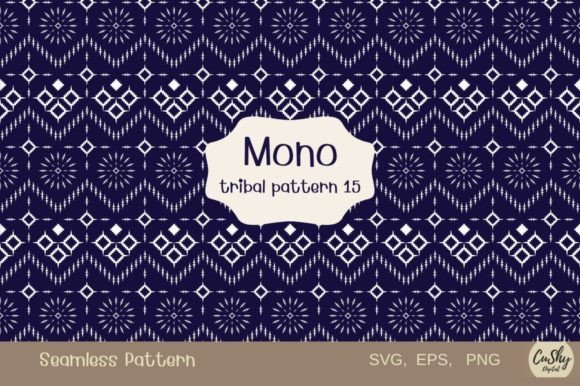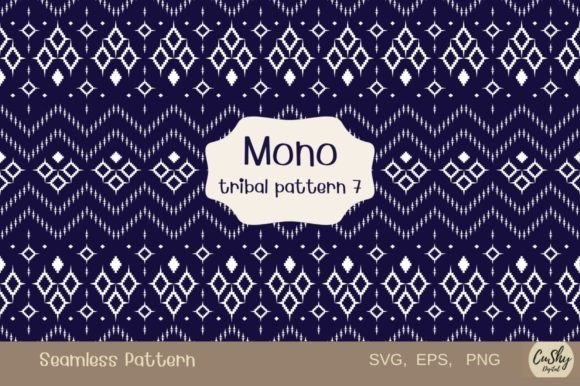
Mono Tribal Pattern7: Integrating Seamless Decorative Assets into Professional and Personal Creative Workflows
In the landscape of digital design, asset selection is rarely just about aesthetic preference; it is a strategic decision that impacts production efficiency, brand consistency, and final output quality. Mono Tribal Pattern7 represents a specific category of high-resolution, seamless decorative patterns designed for versatility. Whether you are a graphic designer preparing assets for print-on-demand services, a small business owner curating holiday merchandise, or an educator creating engaging classroom materials, understanding how to integrate this specific pattern into your workflow is essential.
This article breaks down the practical application of Mono Tribal Pattern7, focusing on its technical specifications, integration into various creative processes, and optimal use cases for festivals and gifting scenarios. By treating this asset not merely as an image but as a functional component of your design pipeline, you can streamline operations and enhance the perceived value of your projects.
Understanding the Asset Specifications and Technical Compatibility
Before integrating any digital asset into a production environment, verifying technical compatibility is the first step in risk management. Mono Tribal Pattern7 is delivered as a comprehensive digital download package, structured to support multiple stages of the design lifecycle. The inclusion of both vector and raster formats ensures flexibility across different software ecosystems and output requirements.
- Vector Formats (SVG and EPS): The inclusion of one SVG file and one EPS file is critical for scalability. These formats allow designers to manipulate the pattern at any scale without losing resolution. This is particularly important when creating large-format prints, such as wall murals or banners, where pixelation would otherwise degrade the visual integrity of the tribal motif.
- Raster Formats (PNG): Two PNG files are included, specifically optimized for immediate use in web-based workflows or platforms that do not support vector editing. The specification notes a size of 65×65 cm at 300 dpi. This resolution is sufficient for high-quality printing up to approximately A2 or Letter size depending on the specific layout, ensuring crisp edges and clear detail in the mono-color tribal design.
For professionals using Adobe Creative Cloud, Affinity Designer, or CorelDRAW, the EPS and SVG files should be imported directly into the working document. For users operating in Canva, Photoshop, or other raster-based tools, the PNG files provide immediate accessibility. Understanding which format serves which stage of your project prevents unnecessary rework and maintains file organization standards.
Workflow Integration: From Concept to Final Product
The true value of a seamless pattern like Mono Tribal Pattern7 lies in its ability to repeat infinitely without visible seams. This characteristic makes it ideal for background generation, textile design, and packaging. However, effective implementation requires a structured approach to ensure the pattern enhances rather than overwhelms the primary subject matter.
Pre-Production Planning and Background Creation
In the early stages of a project, such as designing a greeting card series or a promotional flyer, establishing the visual hierarchy is paramount. Mono Tribal Pattern7 can serve as a foundational layer. Because the pattern is "mono" (monochromatic), it offers high contrast potential against colored text or central imagery.
When setting up your canvas:
- Define the Scale: Determine the intended output size. If printing at a small scale (e.g., gift tags), reduce the pattern scale in your design software to ensure the tribal details remain legible. If used for larger backgrounds, maintain the original 65x65 cm tile size to preserve the intended density of the design.
- Layer Management: Place the pattern on a dedicated background layer. Apply opacity adjustments or blend modes (such as Multiply or Overlay) if the pattern needs to recede visually behind text or product photography. This technique allows the texture to add depth without competing for attention.
- Color Adaptation: Since the source files are likely monochrome or easily editable, use the color picker tools in your software to adapt the pattern to specific brand palettes or seasonal themes. For instance, shifting the mono tone to gold or silver can instantly transform the asset from a casual background to a premium souvenir material.
Mid-Production: Application in Gifting and Merchandise
Festivals and holidays drive significant consumer spending on gifts and souvenirs. Mono Tribal Pattern7 fits seamlessly into these categories due to its universal appeal and geometric clarity. It works well for ethnic-themed celebrations, bohemian-style weddings, or general artisanal markets.
For entrepreneurs and hobbyists looking to create physical products:
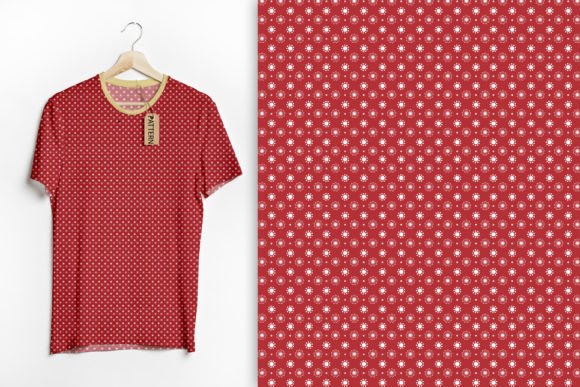
- Textile and Fabric Printing: The seamless nature of the pattern makes it ideal for fabric sublimation. When preparing files for print-on-demand textile services, ensure the vector files are tiled correctly to avoid edge artifacts. The 300 dpi requirement of the PNGs confirms that the raster versions are also suitable for direct-to-garment printing on smaller items like tote bags or scarves.
- Packaging Design: Use the pattern for wrapping paper, box liners, or gift tags. The tribal aesthetic adds a handcrafted feel to mass-produced packaging, elevating the unboxing experience. Ensure that critical information (barcodes, addresses) is placed on solid-colored overlays to maintain readability against the complex pattern.
- Digital Products: Bloggers and content creators can use the PNG assets as headers, social media story backgrounds, or printable worksheets. The clean lines of the tribal design complement modern minimalist aesthetics while adding cultural richness.
Quality Control and Long-Term Asset Management
Integrating external assets into a workflow introduces variables that must be managed. Quality control begins with verifying the integrity of the downloaded ZIP file. Extract the contents and open each file type in its respective software to check for broken links, missing fonts, or incorrect color profiles (RGB vs. CMYK).
For print projects, convert the RGB-based PNGs to CMYK color space before sending them to a professional printer. While the visual difference may seem minor on screen, color shifts can occur during the printing process, especially with dark tribal motifs. Always request a physical proof if the order volume is high.
Organization is equally important for long-term usability. Create a dedicated folder structure for your design assets. Within this structure, isolate the Mono Tribal Pattern7 files from temporary drafts. Label the files clearly (e.g., "Mono_Tribal_Pattern7_Vector_EPS") to facilitate quick retrieval in future projects. This practice reduces cognitive load and speeds up the turnaround time for rush orders or last-minute marketing campaigns.
Strategic Considerations for Creators and Marketers
From a marketing perspective, leveraging unique, high-quality patterns can differentiate your offerings in a saturated market. Mono Tribal Pattern7 provides a distinct visual identity that stands out against generic stock backgrounds. However, success depends on context.
When promoting products featuring this pattern, highlight the versatility and professionalism of the design. Emphasize that the asset is ready for commercial use, reducing the friction for buyers who need reliable, legally sound graphics. For educators, position the pattern as a tool for teaching geometry, symmetry, and cultural appreciation through art projects.
Furthermore, consider the seasonal cycle. Tribal and ethnic patterns often see increased demand during specific festival periods. Plan your inventory or content calendar to feature Mono Tribal Pattern7 ahead of peak shopping times. By aligning the asset’s aesthetic with the emotional tone of the season—whether it is celebration, tradition, or community—you increase its relevance and conversion potential.
Conclusion
Mono Tribal Pattern7 is more than a decorative image; it is a functional tool that supports a wide range of creative and commercial workflows. Its dual-format delivery system ensures compatibility with both vector-based precision and raster-based speed. By carefully managing file types, scaling appropriately for output mediums, and integrating the pattern thoughtfully into design hierarchies, professionals and hobbyists alike can produce high-quality results efficiently.
Whether you are crafting personalized gifts, designing marketing materials, or developing educational resources, this seamless pattern offers a robust foundation for your creative expression. Treat the asset with the same rigor you apply to your core skills, and it will consistently deliver value across your projects.