The Strategic Advantage of Seamless Digital Vector Pattern Design in Contemporary Creative Workflows
In the rapidly evolving landscape of digital content creation, the demand for high-fidelity, scalable, and versatile visual assets has never been higher. At the heart of this shift is a specific category of design resource that bridges the gap between artistic expression and technical precision: Seamless Digital Vector Pattern Design. For professionals, creators, entrepreneurs, and marketers, understanding the utility and application of these assets is no longer optional—it is a competitive necessity.
Unlike raster-based images that lose quality when scaled, vector patterns offer infinite scalability without degradation. This characteristic makes them indispensable for modern production pipelines, whether you are designing textile prints, creating digital wallpapers, or preparing print-ready packaging materials. The integration of Vector Pattern Design Digital Seamless Pattern Template Download Files into your workflow represents a significant leap in efficiency, allowing designers to focus on creative direction rather than repetitive manual adjustments.
Defining the Seamless Digital Vector Pattern Design
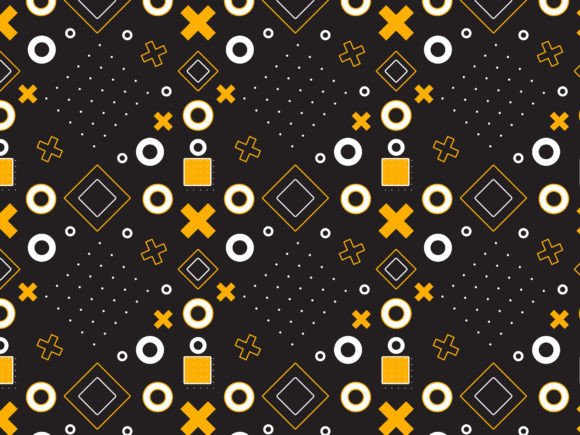
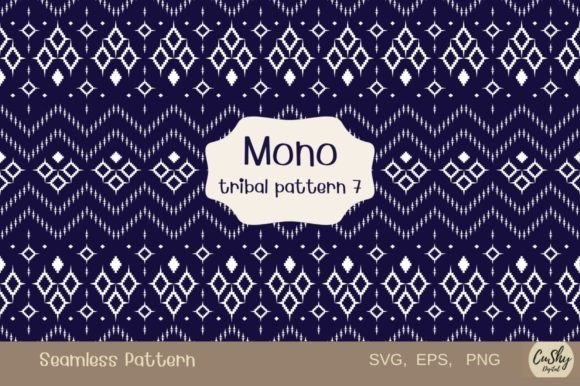
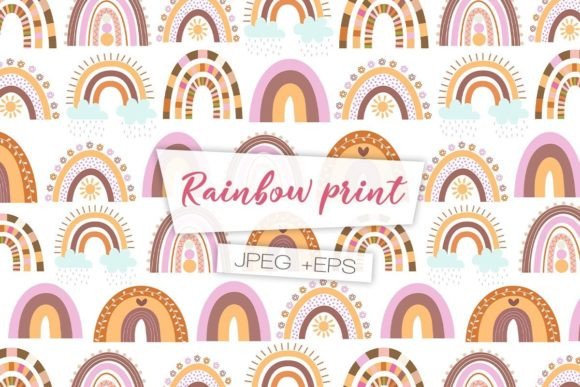
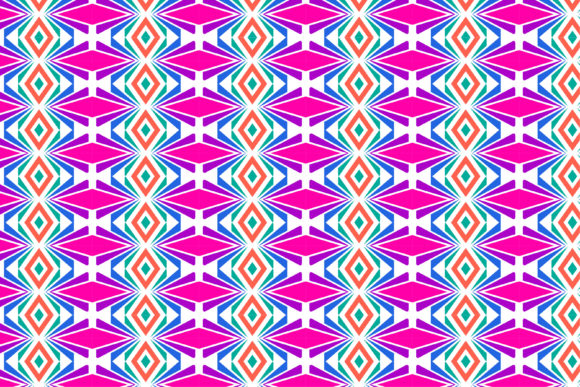
To understand the value proposition, one must first define the asset class. A seamless pattern is a design element that repeats seamlessly in all directions (horizontally and vertically) without visible seams or breaks. When tiled, it creates an infinite surface texture. The "digital vector" component refers to the underlying mathematical structure of the graphics, ensuring that every curve, line, and shape remains crisp at any resolution.
Modern templates often come in a variety of file formats to suit different software ecosystems. Common extensions include .Ai (Adobe Illustrator), .Eps (Encapsulated PostScript), .SVG (Scalable Vector Graphics), and .Jpeg (for raster preview or direct use). These files are typically accompanied by a Help File to guide users through implementation, ensuring that even those less familiar with vector editing software can utilize the assets effectively.
A critical technical specification for these templates is their structural integrity. High-quality designs are built on a Size-12x12 grid or similar modular units, ensuring perfect alignment. Furthermore, they are delivered at Resolutions 300Dpi, which is the industry standard for high-quality printing. This combination of vector scalability and high-resolution raster support ensures that the final output is Clean High Quality, meeting the rigorous demands of both digital screens and physical media.
Industry Trends Driving Demand for Vector Patterns
The resurgence and sustained popularity of pattern design are not isolated phenomena; they are driven by broader market trends across multiple industries. From the rise of e-commerce to the dominance of social media visual content, the need for engaging, textured backgrounds has become ubiquitous.
The Rise of Personalized and Niche Branding
Entrepreneurs and small business owners are increasingly moving away from generic stock imagery in favor of bespoke branding elements. A monochrome pattern or a geometric graphic can instantly elevate a brand’s identity, providing a sense of sophistication and attention to detail. By utilizing modern and abstract vector patterns, brands can create a cohesive visual language across packaging, social media posts, and website headers.
For instance, a boutique clothing line might use a checkered seamless pattern for its online store background, while simultaneously using a variation of that same pattern for fabric swatches. This consistency reinforces brand recognition and reduces the cognitive load on the consumer, who associates the specific geometric structure with the brand's aesthetic.
The Textile and Fashion Industry
In the fashion sector, textile design relies heavily on the principles of seamless tiling. Designers working with cloth, clothing, fabric, and flannel require patterns that repeat flawlessly to minimize waste during the cutting and sewing process. Vector patterns allow for precise manipulation of scale and color without introducing artifacts or blurriness.
The ability to switch between a seamless striped layout and a complex paint texture abstraction is crucial for trend-responsive design. As consumer preferences shift towards minimalist aesthetics or bold, retro-inspired geometries, having access to a library of decoration and decorative design elements allows designers to pivot quickly. This agility is particularly valuable in fast-fashion cycles where speed-to-market is a key performance indicator.
Practical Applications Across Creative Disciplines
The versatility of Seamless Digital Vector Pattern Design extends far beyond textiles. Its applications span various creative disciplines, each requiring specific technical considerations.
- Digital Backgrounds and UI/UX: Web designers use background patterns to add depth to user interfaces without overwhelming the primary content. A subtle structure-based pattern can provide a tactile feel to a flat design, enhancing user engagement.
- Print and Packaging: For printable paper, gift wrap, and product packaging, the requirement for print ready pattern assets is non-negotiable. Files that are clean and high-quality ensure that the final printed product does not suffer from pixelation or misalignment. The inclusion of .Svg files is particularly advantageous here, as SVGs can be directly imported into many modern print workflows.
- Wallpaper and Interior Design: The demand for digital and physical wallpaper continues to grow. Homeowners and interior designers seek modern and abstract designs that reflect personal style. Vector patterns allow for easy customization of colors to match existing decor, making them a popular choice for DIY enthusiasts and professional decorators alike.
- Marketing Materials: Marketers leverage vector pattern designs in email newsletters, banner ads, and promotional flyers. A well-designed geometric graphic can break up text-heavy content, guiding the reader’s eye and improving readability.
Workflow Efficiency and Technical Advantages
One of the most compelling reasons for adopting Vector Pattern Design Digital Seamless Pattern Template Download Files is the improvement in workflow efficiency. Traditional pattern creation involves manual tiling, which is time-consuming and prone to human error. By using pre-built templates, designers can bypass the initial setup phase and move directly to customization.
These templates are often designed with layers and grouped elements, allowing for non-destructive editing. For example, a designer can change the color palette of a monochrome pattern in seconds, or swap out a striped element for a checkered one. This flexibility supports iterative design processes, where rapid prototyping and testing are essential.
Moreover, the compatibility of these files across different platforms ensures that teams can collaborate seamlessly. A designer working in Adobe Illustrator can export an .Ai file, while a web developer can use the corresponding .Svg code for web implementation. This interoperability reduces friction in cross-functional projects.
Considerations for Implementation
While the benefits are clear, it is important to approach the use of these assets with a critical eye. First, always verify the Resolutions 300Dpi requirement if the end-use involves physical printing. While vectors are resolution-independent, some templates may include raster effects or textures that require high-resolution sources to maintain quality.
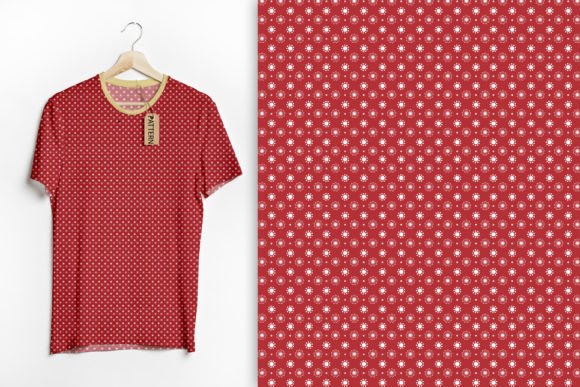
Secondly, be aware that the preview mockup is not included in the download file. This means that users must have the necessary software (such as Adobe Illustrator, Inkscape, or Affinity Designer) to open and view the source files. It is advisable to check the system requirements before purchasing or downloading these resources to avoid compatibility issues.
Additionally, understanding the licensing terms is crucial. Some templates may be restricted to personal use, while others allow for commercial applications. Always review the license agreement to ensure compliance, especially when using patterns for client work or branded merchandise.
Conclusion
The integration of Seamless Digital Vector Pattern Design into creative workflows represents a convergence of art, technology, and business strategy. By leveraging high-quality, scalable, and versatile pattern assets, professionals can enhance their productivity, improve the quality of their outputs, and meet the growing consumer demand for visually rich and cohesive design experiences.
Whether you are designing for textile markets, creating digital content, or producing print materials, the ability to utilize clean and high quality vector patterns provides a distinct advantage. As the digital landscape continues to evolve, staying ahead of the curve requires not just creativity, but also the right tools. Embracing the efficiency and flexibility of vector pattern templates is a step toward future-proofing your creative practice.
For those looking to expand their design capabilities, exploring a wide range of template options—from abstract shapes to structured geometric graphics—can unlock new possibilities. By focusing on modern aesthetics and functional design, creators can produce work that resonates with audiences and stands the test of time.
In summary, the shift towards Seamless Digital Vector Pattern Design is more than a trend; it is a fundamental change in how we approach visual communication. By understanding and implementing these technologies, professionals can deliver superior results that align with contemporary standards of excellence.