Evaluating Mandala Invitation Decorative Art for Custom Design Projects
Selecting the right visual assets for invitations, event branding, or digital marketing materials requires a careful balance of aesthetic appeal and technical functionality. Among the various design elements available to creators, Mandala Invitation Decorative Art has emerged as a versatile and enduring choice for those seeking intricate, symmetrical, and culturally resonant designs. However, not all mandala resources are created equal. The difference between a usable asset and a frustrating obstacle often lies in file format versatility, resolution quality, and editability.
This article provides a practical evaluation of what constitutes high-quality Mandala Invitation Decorative Art, specifically focusing on comprehensive digital packages that offer multiple file formats. By understanding the technical specifications—such as canvas size, vector capabilities, and raster compatibility—designers can make informed decisions that streamline their workflow and enhance the final output of their projects.
The Distinct Characteristics of Mandala Designs in Event Contexts
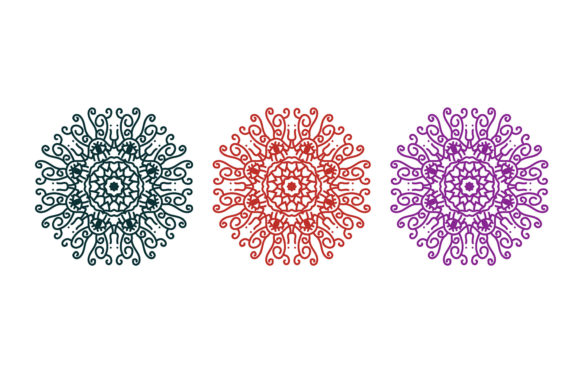
A mandala is traditionally a geometric configuration of symbols, often representing the universe in Hindu and Buddhist traditions. In modern graphic design, particularly for invitations, these patterns have been adapted into decorative borders, central focal points, or background textures. The primary appeal of Mandala Invitation Decorative Art lies in its inherent symmetry and complexity. Unlike simple floral or abstract shapes, mandalas offer a sense of order, balance, and spiritual depth that can elevate the perceived value of an invitation suite.
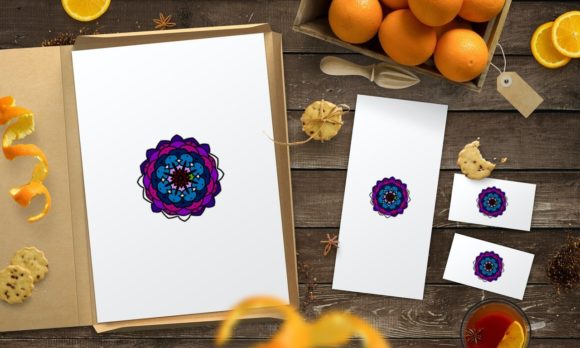
When evaluating these designs, it is important to distinguish between static images and dynamic design elements. High-quality mandala art used in invitations is rarely just a flat image; it is a modular component that needs to integrate seamlessly with typography, color palettes, and other graphical elements. This integration capability is where the technical format of the file becomes critical. A designer working on a wedding invitation needs to be able to adjust the scale of a mandala without losing edge clarity, change colors to match a specific theme, or isolate specific segments of the pattern to use as corner accents. These requirements dictate the necessity of receiving files in editable formats rather than pre-rendered images alone.
Technical Specifications: Why Format Diversity Matters
In the realm of digital design, the phrase "what you get" refers to more than just the visual appearance of the artwork. It encompasses the technical infrastructure that allows the designer to manipulate that artwork. A robust package of Mandala Invitation Decorative Art typically includes a multi-format bundle designed to accommodate different software ecosystems and production needs. Understanding the role of each format helps designers evaluate whether a product meets their specific workflow requirements.
Vector Formats: AI, EPS, SVG, and DXF
The cornerstone of professional print and scalable web design is vector graphics. Vector files define images using mathematical equations rather than pixels, allowing them to be resized infinitely without degradation. For Mandala Invitation Decorative Art, this is essential because invitations often require printing at various sizes—from small favor tags to large table cards.
- AI (Adobe Illustrator): This is the native format for Adobe Illustrator, the industry standard for vector design. An AI file allows for deep editing of individual paths, layers, and colors. It is the preferred starting point for most professional designers who need full control over the mandala’s structure.
- EPS (Encapsulated PostScript): Often used in older workflows or for compatibility with legacy printing systems, EPS files are another vector standard. They ensure that the mandala remains crisp when sent to commercial printers who may not use the latest version of Adobe software.
- SVG (Scalable Vector Graphics): While primarily used for web design, SVG files are increasingly relevant for digital invitations sent via email or displayed on screens. They are lightweight, code-based vectors that render sharply on any device. Including an SVG file ensures the mandala looks pristine on mobile devices and websites.
- DXF (Drawing Exchange Format): This format is crucial for users of cutting machines like Cricut or Silhouette. If a designer intends to create physical die-cuts, laser-engraved wood invitations, or vinyl decals featuring the mandala, the DXF file provides the precise cut lines needed for these automated processes.
Raster Formats: JPG and PNG
While vectors are ideal for editing, raster images are necessary for quick previews, non-vector-compatible software, or direct insertion into programs like Microsoft Word or Canva.
- PNG (Portable Network Graphics): The inclusion of a PNG file is significant because it supports transparency. For Mandala Invitation Decorative Art, a transparent background allows the mandala to be overlaid on any color or texture without a distracting white box surrounding it. This is particularly useful for creating layered effects where the mandala acts as a watermark or subtle background element.
- JPG (Joint Photographic Experts Group): JPG files are universally compatible but do not support transparency. They are best used for final proofing or when the design will be placed on a solid white background. However, relying solely on JPGs limits the designer’s ability to composite the image effectively.
Evaluating Canvas Size and Resolution
Resolution is a common point of confusion for buyers. A specification such as 1920px X 1280px indicates the pixel dimensions of the raster versions (JPG and PNG) included in the package. At 96 DPI (dots per inch), which is standard for screen display, this resolution is sufficient for web use, social media graphics, and digital invitations. However, it is generally insufficient for high-quality offset printing, which typically requires 300 DPI.
This distinction highlights why the vector files (AI, EPS, SVG, DXF) are the most valuable components of the package. Because vectors are resolution-independent, the same mandala design can be scaled up to poster size or down to a tiny embellishment while maintaining perfect sharpness. When evaluating Mandala Invitation Decorative Art, buyers should prioritize packages that include both high-resolution raster files for immediate digital use and true vector files for professional print production. The 1920x1280 canvas serves as a convenient standard preview size, ensuring the design is legible on most desktop monitors, but it does not replace the need for vector scalability.
Comparison with Alternative Design Assets
To determine if Mandala Invitation Decorative Art is the right choice, it is helpful to compare it with other popular invitation design elements, such as botanical illustrations, geometric line art, or watercolor textures.
Botanical Illustrations: While flowers and leaves convey elegance, they can sometimes feel generic or overly romantic. Mandalas offer a more structured, meditative aesthetic that appeals to a broader range of themes, including bohemian, spiritual, minimalist, and global-inspired events. Furthermore, complex botanical illustrations can become muddy when printed at small scales, whereas the clean lines of a well-designed mandala maintain their integrity better.
Geometric Line Art: Simple geometric shapes are trendy and modern but may lack the visual weight required for a central invitation motif. Mandalas provide a similar structural rigor but with greater ornamental detail. They strike a balance between minimalism and maximalism, offering enough intricacy to draw the eye without overwhelming the text.
Watercolor Textures: Watercolors add softness and organic movement but are difficult to reproduce consistently in print. Colors may shift, and edges can bleed. Mandala designs, especially those available in vector formats, offer precision and consistency. A designer can easily adjust the opacity of a mandala to mimic a watercolor wash effect digitally, achieving the desired look with greater control and repeatability.
Decision Factors: When to Choose Mandala Art
Choosing Mandala Invitation Decorative Art is most advantageous in specific scenarios. It is an excellent fit for weddings, baby showers, birthday parties, and corporate retreats that aim for a cohesive, thematic look. It is particularly suitable for designers who work across multiple mediums—for example, creating a digital save-the-date (using the SVG/PNG) and then producing physical invitations (using the AI/EPS) and party favors (using the DXF).
However, there are limitations. If a project requires a highly specific, custom illustration style that deviates significantly from traditional mandala structures, a pre-made mandala asset might feel too rigid. Additionally, designers must be mindful of cultural sensitivity. While mandalas are widely appreciated in secular design contexts, it is respectful to understand their origins and avoid using sacred symbols inappropriately. The best approach is to treat the mandala as a decorative geometric pattern rather than a religious icon unless the context specifically warrants deeper cultural engagement.
Conclusion on Usability and Workflow Efficiency
The value of a Mandala Invitation Decorative Art package is directly proportional to its flexibility. A single low-resolution image offers limited utility, whereas a comprehensive bundle containing AI, EPS, SVG, DXF, JPG, and PNG files empowers the designer to adapt the asset to nearly any creative challenge. The ability to edit, scale, and cut the design ensures that the investment yields maximum return across various applications.
For professionals and hobbyists alike, prioritizing resources that offer this level of technical diversity is a prudent strategy. It reduces friction in the design process, minimizes the need for external conversions, and ensures that the final invitation—whether viewed on a smartphone or held in hand—is visually striking and professionally executed. By carefully evaluating the format list and canvas specifications before purchase, designers can select mandala assets that truly support their creative vision and technical requirements.