Evaluating 12 Boho Digital Paper for Creative Projects: A Practical Guide
In the realm of digital crafting, finding textures that bridge the gap between rustic charm and modern aesthetic can be a challenge. 12 Boho Digital Paper, Scrapbook Paper emerges as a specific resource designed to address this need, offering a curated collection of twelve distinct designs. For hobbyists, designers, and small business owners, understanding the technical specifications and creative applications of such a product is essential before integrating it into a workflow. This analysis explores what these files entail, how they compare to other digital assets, and who will benefit most from their use.
Understanding the Product Specifications
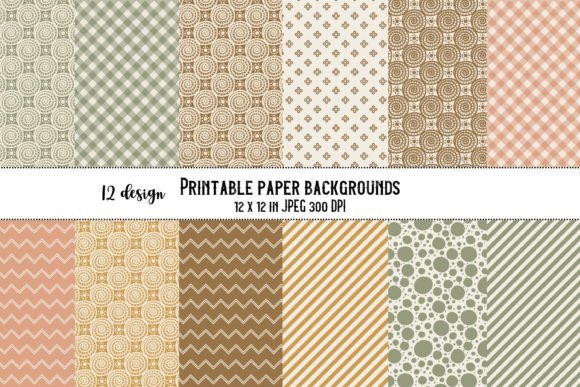
At its core, this collection consists of 12 JPEG files, each rendered at a high resolution of 300 dpi with dimensions of 12x12 inches. These specifications are not arbitrary; they represent a standard industry benchmark for scrapbooking and print-on-demand services. The 300 dpi (dots per inch) resolution ensures that when these digital images are printed, the output remains sharp and free from pixelation, even when viewed up close. The 12x12-inch format is particularly significant because it aligns with the traditional square scrapbook page size, allowing for direct printing without the need for complex cropping or resizing that might compromise image quality.
It is crucial to note that these papers are not seamless. In digital design, a seamless pattern repeats infinitely in all directions, making it ideal for web backgrounds or large-scale wrapping where edges must disappear. However, these boho designs are presented as individual, static sheets. This distinction matters for users planning large-format prints or tiling effects. If you intend to create a continuous wallpaper effect, you would need to purchase a separate seamless asset. Conversely, if your goal is to create discrete elements—such as card fronts, journal covers, or label inserts—the non-seamless nature allows for unique, framed compositions that do not risk visible repeating artifacts.
Creative Applications and Versatility
The versatility of 12 Boho Digital Paper, Scrapbook Paper extends across multiple creative disciplines. While the name suggests a primary focus on scrapbooking, the utility of high-resolution digital paper transcends simple photo albums. Here is how different user groups might leverage these assets:
- Junk Journaling: Enthusiasts of junk journals often seek textured, vintage-inspired backgrounds. These boho designs provide an immediate foundation for mixed-media pages, eliminating the need to scan physical ephemera or paint backgrounds manually.
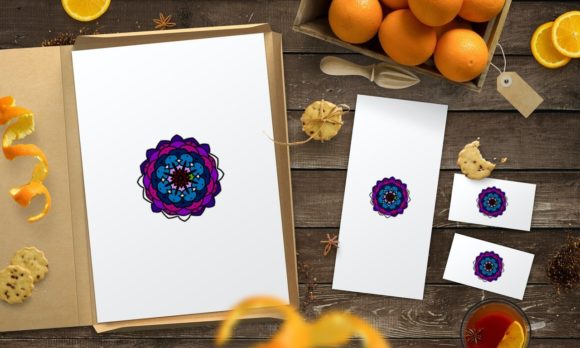
- Greeting Cards and Packaging: Small businesses selling handmade goods can use these papers as backgrounds for digital mockups. By placing product photos over these textures, sellers can create realistic previews for online stores without investing in physical photography setups.
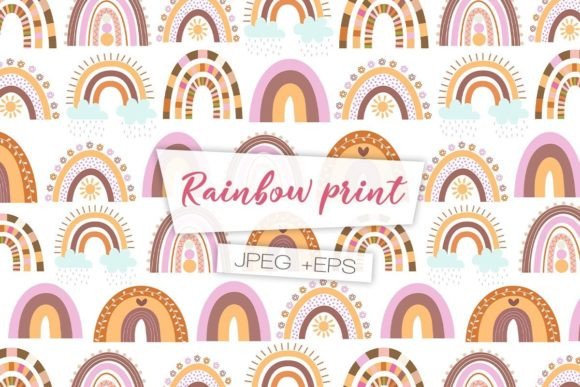
- D.I.Y. Decor: Because the files are printable, crafters can produce party decorations, banners, or table runners. The boho aesthetic, often characterized by earth tones, geometric shapes, or organic motifs, fits well within current interior design trends favoring warmth and natural elements.
- Digital Backgrounds: For content creators, these images serve as high-quality backdrops for social media posts, blog headers, or video thumbnails, adding a layer of visual interest without the cost of hiring a graphic designer.
Comparison with Alternative Formats
When evaluating digital assets, consumers often choose between vector-based SVG files, raster-based PNG/JPEG files, and physical paper stock. Understanding where 12 Boho Digital Paper, Scrapbook Paper fits in this landscape helps clarify its value proposition.
vs. Vector Files (SVG/EPS): Vector files are scalable to any size without loss of quality and are editable. However, they often lack the subtle texture and photographic realism found in high-resolution raster images. Bokeh patterns, watercolor splashes, and grainy textures are difficult to replicate authentically in vectors. The JPEG format of this collection preserves these nuanced details, making it superior for projects requiring a "handmade" or organic look rather than a clean, geometric vector style.
vs. Physical Paper: Buying physical scrapbook paper involves shipping costs, storage space, and limited color variations due to printing constraints. Digital paper eliminates waste; if a print fails, you simply reprint. It also offers infinite accessibility. Once downloaded, the files are available forever, unlike physical stock which may go out of print. However, the tactile experience of real paper cannot be replicated digitally. For projects requiring actual texture embossing or die-cutting resistance, physical paper remains necessary.
vs. Seamless Patterns: As mentioned, the non-seamless nature of this collection limits its use for full-page wallpapers. Users needing endless repeats should look for "seamless tile" assets. However, for single-page layouts like invitations or album covers, the distinct borders and centered compositions of these non-seamless papers often provide a more polished, intentional design.
Practical Considerations for Printing
One of the most critical aspects of using digital paper is the output medium. The product description rightly notes that different types of paper can show different results. This is a fundamental principle of digital printing that new users often overlook.
Paper Weight and Finish: Standard printer paper (20 lb) is generally too thin for scrapbooking and may warp or tear. Heavier cardstock (65 lb or higher) is recommended for durability. Furthermore, the finish affects color vibrancy. Glossy paper enhances saturation and contrast, making colors pop, while matte paper reduces glare and offers a more subdued, elegant look. Semi-gloss or satin finishes offer a middle ground. When testing these boho designs, users should experiment with small test prints to see how the specific hues interact with their chosen paper stock.
Printer Capabilities: Home inkjet printers typically handle 12x12 inches well, but laser printers may struggle with heavy cardstocks or cause toner smudging if not set to the correct media type. Professional printing services often provide better color accuracy and paper options, though they come at a higher cost per sheet. For hobbyists doing occasional projects, home printing is cost-effective; for bulk production, professional services yield superior consistency.
Tradeoffs and Limitations
No product is without limitations. The primary tradeoff with 12 Boho Digital Paper, Scrapbook Paper is the lack of editability. Unlike layered PSD files, JPEGs are flattened. You cannot easily remove a background element or change the color palette of the paper itself without advanced photo editing skills. Additionally, the boho aesthetic is subjective. If your project requires a minimalist, corporate, or vibrant neon theme, this collection may not align with your vision. It is best suited for projects leaning toward earthy, eclectic, or vintage-inspired themes.
Who Should Choose This Resource?
This collection is an ideal fit for:
- Hobbyist Crafters: Those who enjoy scrapbooking, card making, or junk journaling and want to save time on background creation.
- Small Business Owners: Etsy sellers or boutique owners who need consistent, high-quality visuals for product mockups and packaging design.
- Event Planners: Individuals organizing boho-themed weddings, birthdays, or parties who need affordable, customizable decor elements.
Conversely, professional graphic designers working on brand identities may find the pre-made nature of these papers limiting. They might prefer purchasing commercial licenses for custom illustration services or premium, fully editable template suites. Similarly, users seeking seamless patterns for web design should look elsewhere.
Final Evaluation
12 Boho Digital Paper, Scrapbook Paper offers a practical, high-resolution solution for creatives seeking to add texture and warmth to their projects. Its strength lies in its specificity: it delivers exactly what is needed for 12x12 inch layouts at a print-ready resolution, avoiding the bloat of unnecessary formats. While it requires careful attention to paper choice during printing and lacks the editability of vector files, its ease of use and aesthetic appeal make it a valuable asset for a wide range of D.I.Y. and commercial applications. By understanding its non-seamless nature and printing requirements, users can maximize the potential of these digital resources and achieve professional-looking results.