Evaluating Decorative Color Mandala Designs for Digital and Print Projects
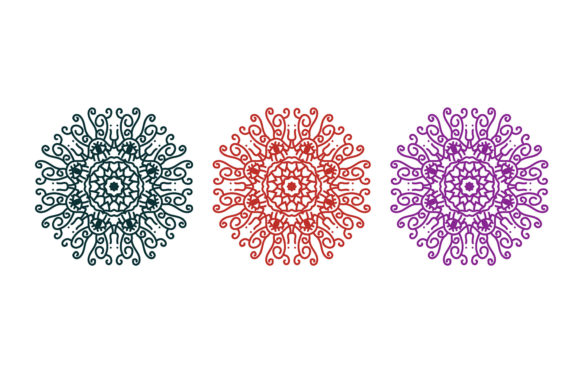
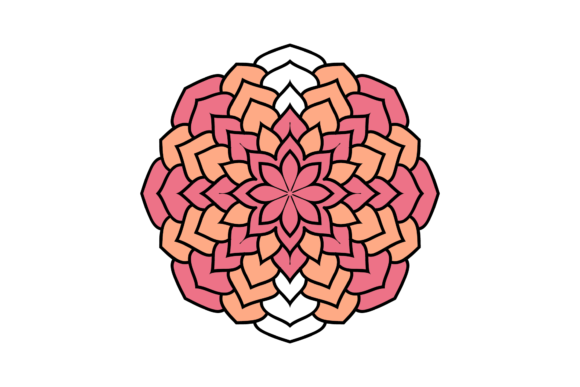
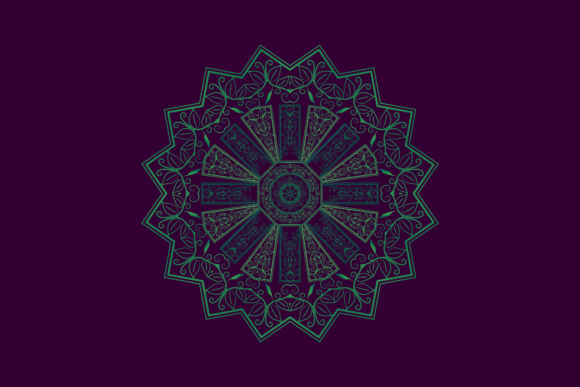
In the realm of digital design, few motifs possess the universal appeal and structural complexity of the mandala. When designers speak of a Decorative Color Mandala, they are referring to intricate, circular patterns that utilize vibrant palettes and symmetrical geometry to create visually arresting compositions. These designs have transcended their spiritual origins to become staples in modern graphic design, textile printing, home decor, and digital art. For professionals and hobbyists alike, understanding the nuances of these assets—specifically regarding file formats, resolution, and editability—is crucial for selecting the right resource for any given project.
The market is saturated with low-quality vector clips and pixelated raster images, making the evaluation of source files more important than ever. A high-quality Decorative Color Mandala asset should not only look stunning but also offer the technical flexibility required for various applications, from large-format wall murals to small-scale embroidery. This guide explores the specific attributes of premium mandala collections, focusing on format versatility, canvas dimensions, and the practical benefits of having multiple file types available.
The Importance of Multi-Format Availability
One of the most significant indicators of a professional-grade design asset is its availability in multiple formats. Many online resources provide only one or two file types, which severely limits their utility. A comprehensive collection that includes AI, EPS, SVG, JPG, PNG, and DXF files ensures that the designer can work seamlessly across different software ecosystems and production methods. Understanding the strengths and limitations of each format is essential for making an informed purchasing decision.
- AI (Adobe Illustrator) Files: These are native vector files created in Adobe Illustrator. They are ideal for users who need maximum control over individual elements. With AI files, designers can ungroup layers, recolor specific segments, and modify paths without losing quality. This format is best suited for complex editing projects where the final output needs to be tailored to specific brand colors or layout constraints.
- EPS (Encapsulated PostScript) Files: EPS is a legacy vector format that remains widely supported by various desktop publishing and print production software. While slightly less flexible than AI for direct editing within the Adobe ecosystem, EPS files are excellent for transferring designs between different applications and ensuring compatibility with older printers or cutting machines.
- SVG (Scalable Vector Graphics) Files: As the standard for web-based vector graphics, SVG files are indispensable for digital interfaces. They are lightweight, scalable, and can be manipulated via CSS or JavaScript. If your project involves website backgrounds, app icons, or interactive web elements, an SVG version of the Decorative Color Mandala is likely your best option.
- JPG (JPEG) Files: These are compressed raster images. While they do not scale infinitely without quality loss, JPGs are universally compatible and easy to use in basic photo editing software like Photoshop or GIMP. They are suitable for quick mockups, social media posts, or situations where file size is a primary concern.
- PNG (Portable Network Graphics) Files: PNG files support transparency, a feature that JPGs lack. This makes them perfect for overlaying the mandala design onto different backgrounds without a visible white box around it. Like JPGs, PNGs are raster-based, so they are resolution-dependent.
- DXF (Drawing Exchange Format) Files: DXF files are primarily used in CAD (Computer-Aided Design) software and vinyl cutting machines. If you plan to produce physical crafts, such as laser-cut wood signs, vinyl decals, or paper cutouts, the DXF file is critical. It provides the precise line data needed for automated cutting tools.
Resolution and Canvas Dimensions: Why 1920 x 1280 Pixels Matters
When evaluating raster assets, resolution is a key factor. The specification of a 1920 px X 1280 px canvas size offers a balanced aspect ratio of 3:2, which is versatile for many common uses. This resolution is sufficient for high-definition digital displays, including standard monitors and tablets. However, it is important to recognize the limitations of this dimension when scaling up for print.
For digital presentations, wallpapers, or screen-based designs, a 1920x1280 image is crisp and clear. However, if you intend to print the Decorative Color Mandala at a large size, such as a poster or banner, you must consider the dots per inch (DPI). At standard print DPI of 300, a 1920x1280 image will only print at approximately 6.4 inches by 4.3 inches. Therefore, while the raster versions provided in the package are useful for quick previews and small-scale digital use, the true power of this asset lies in its vector counterparts (AI, EPS, SVG, DXF), which can be scaled to any size without degradation.
Designers should always prioritize the vector files for final production, especially for projects requiring large prints or precise cutting. The raster files serve as excellent reference materials or for immediate use in digital-only contexts where vector manipulation is unnecessary.
Editability and User Experience
A common pain point in digital design is encountering a "locked" or flattened design that cannot be modified. Premium design resources guarantee that these Decorative Color Mandala files are easy to use and editable. This claim has significant implications for workflow efficiency.
Editable vector files allow for rapid customization. For instance, a wedding invitation designer might want to change the color palette of a mandala to match a specific theme. With layered AI or SVG files, this process takes minutes rather than hours. Similarly, a craft business owner using a DXF file can easily adjust the spacing or density of the pattern to fit a specific material constraint. The ability to edit reduces the time spent recreating designs from scratch and allows for greater creative freedom.
Furthermore, well-organized files typically include grouped layers and named elements. This structure makes it easier for users to navigate complex designs. Without proper organization, even a powerful vector file can become a tangled mess of paths, making simple edits difficult. When evaluating a product, check for descriptions that mention "layered," "grouped," or "editable" to ensure a smooth user experience.
Comparing Approaches: Custom Creation vs. Pre-Made Assets
When deciding whether to purchase a pre-made Decorative Color Mandala collection or invest time in creating custom designs, several factors come into play.
Time Efficiency: Creating a detailed, symmetrical mandala from scratch requires significant skill and time. Using a pre-made asset allows designers to focus on the broader composition of their project, such as typography, layout, and branding, rather than getting bogged down in repetitive geometric construction. For tight deadlines, pre-made assets are often the superior choice.
Cost Effectiveness: Hiring a professional illustrator to create custom mandalas can be expensive. Purchasing a multi-format pack offers a cost-effective alternative, providing access to high-quality, professionally designed graphics for a fraction of the cost of custom illustration. This is particularly beneficial for small businesses and independent creators operating on limited budgets.
Uniqueness: The primary drawback of pre-made assets is the potential for lack of uniqueness. Since these designs are available to multiple users, there is a risk that other projects may feature similar visual elements. To mitigate this, designers should utilize the editability features mentioned earlier. By altering colors, combining elements from different mandalas, or adding custom overlays, users can transform a generic asset into a unique piece of art.
Best-Fit Situations and Decision Factors
Deciding when to use a Decorative Color Mandala depends largely on the end goal of the project. Here are some scenarios where these assets shine:
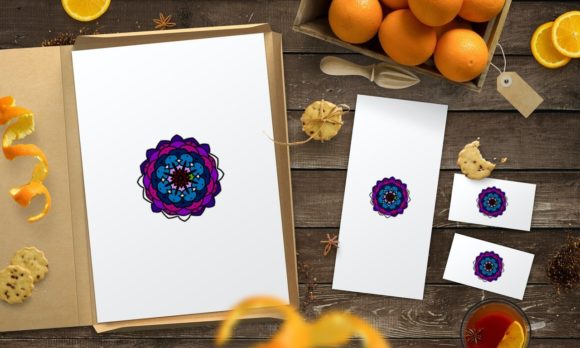
- Home Decor and Wall Art: High-resolution vector files allow for large-scale printing on canvas or wallpaper. The intricate details of a colored mandala add depth and focal interest to living spaces.
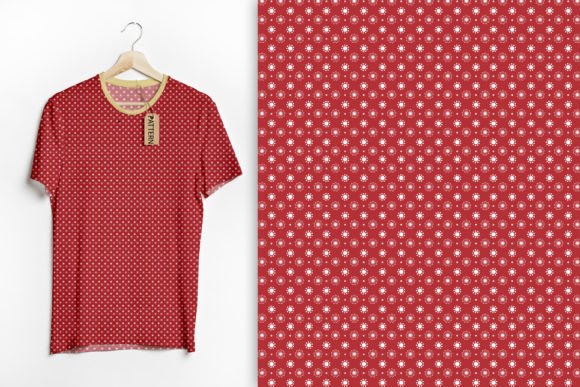
- Textile and Fashion Design: The seamless nature of many mandala patterns makes them ideal for fabric printing. The variety of formats ensures compatibility with both digital printing workflows and traditional screen printing preparations.
- Digital Marketing and Social Media: SVG and PNG files are perfect for creating engaging social media graphics, email headers, and website banners. The vibrant colors attract attention and enhance visual hierarchy.
- Crafting and DIY Projects: For enthusiasts of Cricut, Silhouette, or laser cutters, the DXF file is invaluable. It enables the creation of personalized gifts, jewelry, and home decorations with precision.
However, there are situations where a Decorative Color Mandala might not be the best fit. If a project requires a highly abstract or minimalist aesthetic, the complexity of a mandala may be overwhelming. Additionally, if the budget allows for custom illustration and brand distinctiveness is the top priority, investing in original artwork may yield better long-term results.
Conclusion
Selecting the right design asset involves balancing quality, versatility, and usability. A comprehensive package offering Decorative Color Mandala designs in six distinct formats—AI, EPS, SVG, JPG, PNG, and DXF—provides exceptional value for a wide range of users. The inclusion of editable vector files ensures that the designs can be adapted to specific needs, while the raster options offer convenience for quick digital use.
By understanding the technical specifications, such as the 1920x1280 pixel canvas size and the benefits of multi-format availability, designers can make informed decisions that enhance their workflow and final output. Whether for print, web, or craft projects, these assets offer a reliable foundation for creating beautiful, professional-grade designs. Thank you for considering these resources for your creative endeavors.